



TL;DR
Get carbohydrates and protein in within 30-60 minutes of finishing. Keep it easy on the gut. Stay consistent for 48-72 hours. Sleep more than you think you need to. The recovery window is real and it closes fast.
If you ran the Cape Town Marathon last weekend, this is for you. But honestly, it's for anyone who has just done something hard: a long ride, a trail race, a big training block, a triathlon. The biology is the same regardless of the discipline.
Here's what's happening inside your body, and what to actually do about it.
The damage is real
When you cross the finish line or roll off the bike, your glycogen stores are depleted, your muscle fibres have taken a battering, and your immune system is temporarily suppressed. Your gut, which spent the effort processing gels, sports drink, and whatever you grabbed at the last aid station, needs a break too.
None of this means you're broken. It means the effort worked. Now the job is recovery.
The 30-60 minute window
This is the most important window and most athletes waste it standing around talking about how sore they are.
Your muscles are primed to absorb glycogen immediately after a big effort. That priming fades fast. Aim for 1-1.2g of carbohydrate per kg of bodyweight within 30-60 minutes of finishing. Pair it with 20-40g of protein and you have covered the repair window. The combination of carbohydrates and protein together outperforms either alone.
Liquid or semi-liquid works best at this point. Your gut has been through it and doesn't want a challenge right now. A shake, a smoothie, chocolate milk: easy to digest, quick to prepare, gets the job done.

Days two and three
This is where most athletes fall apart. The immediate post-race high wears off, the stiffness arrives properly, and the temptation is to either eat everything in sight or nothing at all.
Neither helps. Eat consistently. Stay hydrated. Prioritise sleep over every other recovery tool in your arsenal, it is doing more work than any supplement, ice bath, or compression sock on the market.
Resist the recovery jog, the easy spin, or the "just stretching" session until your body is actually ready. Soreness that is manageable is not the same as soreness that has resolved. There is a difference and your next training block depends on knowing it.
The full week
Days four to seven are about returning to normal training volume gradually, not jumping straight back to where you left off. Most athletes underestimate how long a race effort actually takes to clear from the system.
A half marathon: three to five days of easy movement before resuming normal training. A marathon or long ride: seven to ten days minimum. An ultra or ironman-distance effort: two to four weeks of genuinely reduced load.
These are not suggestions for the unfit. They apply to well-trained athletes too. The fitter you are, the better you recover - but the harder you also tend to race, which largely cancels that out.
Common recovery mistakes
Skipping the recovery window because you're not hungry. Your appetite suppression post-effort is normal and temporary. Eat anyway.
Going straight back to caffeine and alcohol. Both interfere with sleep quality and hydration. One post-race beer is fine. A full evening of celebrating is a choice that your legs will invoice you for on day two.
Doing too much too soon. The recovery jog is almost always a bad idea on day one. Walking is fine. Running is not.
Ignoring hydration. You lost more fluid than you think, particularly on a warm day or a long effort. Consistent hydration over 24-48 hours is more effective than drinking a large amount in one go.
Comparing your recovery to someone else's. Bodies are different, efforts are different, training histories are different. Your recovery timeline is yours.
Frequently Asked Questions
How soon after a race should I eat? ▼
Within 30-60 minutes of finishing. Your muscles are primed to absorb carbohydrates and protein in this window and it closes faster than most people realise. Even something small is better than waiting until you feel hungry.
How much protein do I need after a race? ▼
Between 20-40g of quality protein in that first recovery window is the target. Paired with carbohydrates, it starts the muscle repair process more effectively than protein alone.
Can I train the day after a race? ▼
A short easy walk is fine. Anything that qualifies as training is probably not. Your muscles need genuine recovery time before you load them again. The timeline depends on race distance but a minimum of 48 hours of easy movement applies across the board.
Why does my gut feel off after a race? ▼
Race day puts serious stress on your digestive system. High intensity, dehydration, gels, sports drinks, and hours of sustained effort all contribute. It usually settles within 24 hours. Keep things simple and easy to digest in the meantime.
How long does it take to recover from an ultra or ironman? ▼
Two to four weeks of genuinely reduced training load is the honest answer for most athletes. You may feel fine after a week. Your body is not done recovering after a week. The longer and harder the effort, the longer the recovery timeline, regardless of fitness level.

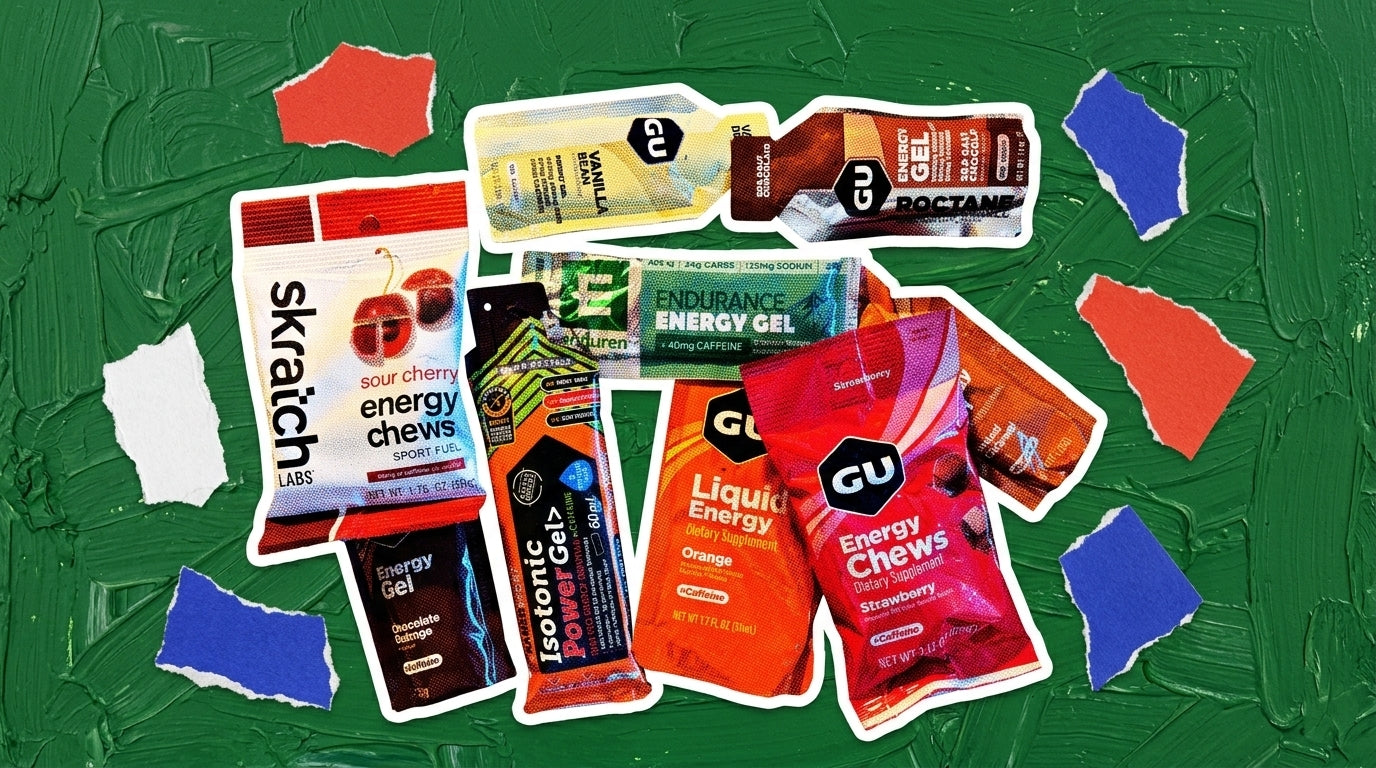

PUFfeR 2026: Cape Point to Green Point, and what to put in your vest
Gel flavour fatigue - the taste struggle is real.