


TL;DR
- Flavour fatigue is real, it has a name (sensory-specific satiety), and it is not a willpower problem
- Packing six identical gels for a long race is how you end up not eating at all
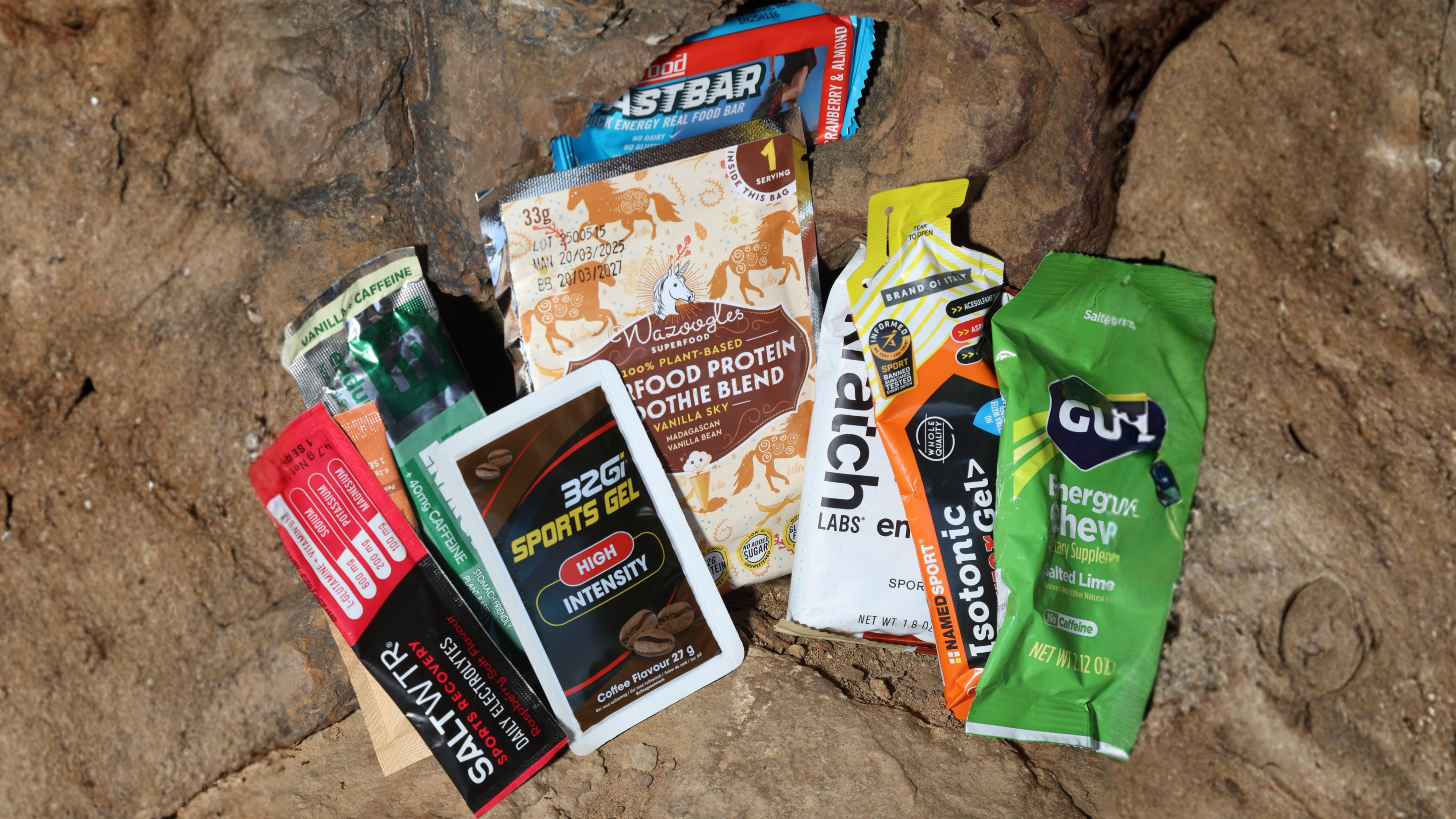
- Rotating flavours, mixing formats (gels, chews, bars), and adding a savoury option significantly reduces the risk
- Your gut needs training, and so does your ability to keep eating when everything tastes like fruit-flavoured regret
There is a specific kind of suffering that does not get talked about enough in endurance sport. It is not the burning legs or the sleep deprivation or even the chafing in places you would rather not name. It is the moment, somewhere around hour three or four, when you pull another gel out of your vest pocket, look at it, and feel nothing but a deep and personal sense of betrayal.
You packed enough food. You followed the plan. And yet here you are, running on fumes, because the thought of one more mouthful of Tropical Burst is somehow worse than bonking.
This is gel flavour fatigue, and it is a legitimate physiological phenomenon, not a character flaw.
What is actually happening in your brain
The technical term is sensory-specific satiety. Your brain, very helpfully, reduces the reward signal associated with a taste the more you are exposed to it. It is the same mechanism that makes the third slice of birthday cake noticeably less satisfying than the first, except in a race it manifests as a full refusal rather than mild disappointment.
During sustained exercise, this gets worse. Your digestive system is competing with your muscles for blood flow, and it is losing. Gut motility slows. Your body becomes more sensitive to sweetness, and highly concentrated carbohydrate sources -- which is exactly what most gels are -- start to feel increasingly unappealing, sometimes nauseous, well before you have actually eaten enough to justify the protest.
Your brain has logged the flavour, flagged it as "yes, we know, we have done this fourteen times," and quietly stopped cooperating.
Why endurance athletes are especially prone to it
Most people build their race nutrition around one or two products they have tested in training and trust. Which is sensible. The problem is that "tested in training" usually means a one-hour run with a couple of gels, not a six-hour sufferfest requiring nine of the same flavour back to back.
The longer the event, the more repetition is baked into the plan, and the more opportunity your nervous system has to decide it has had enough. Ultramarathon runners know this intimately. So do Ironman athletes who have ever tried to survive 180km on the bike with the same two flavours and then somehow run a marathon afterwards.
Short-course athletes are not immune either. A two-hour effort still involves repeated dosing, and if your gut is already under stress from intensity, the threshold for flavour aversion drops accordingly.

How to actually fix it
Rotate your flavours like a playlist, not a broken record. If you are carrying six gels, make them three different flavours at minimum. Alternating between sweet options -- even just switching between citrus and berry profiles -- gives your brain just enough novelty to stay cooperative. Some athletes go further and map their flavour rotation to specific points in the race, treating it as part of the nutrition plan rather than an afterthought.
Mix your formats. Gels, chews, and bars are not interchangeable nutritionally, but from a sensory standpoint, the difference in texture and mouthfeel is significant. A chew mid-race when gels are losing their appeal is often enough to reset the signal. The act of chewing itself triggers digestive responses that pure liquids do not, which can also help settle an unhappy gut.
Add something savoury for anything over four hours. This is the most underused strategy in amateur endurance nutrition. Saltier, savoury options -- whether that is a proper food stop, a salty bar, or even just electrolyte chews with a more mineral profile -- cut through sweet fatigue in a way that another fruit-flavoured gel simply cannot. Your palate has been swimming in glucose and fructose for hours. Give it something different to work with.
Use caffeine gels strategically. Beyond the obvious performance benefit, caffeinated gels tend to have a distinct flavour profile that differs from their non-caffeinated counterparts. Saving one or two for the second half of a long effort not only gives you the physiological lift but also acts as a flavour pattern-break at exactly the point you need it most.
Train it. Not just your gut -- your tolerance for eating under duress. Long training sessions are where you figure out that you hate the Raspberry option at hour three, or that you actually cope fine with chews in the heat but not gels. Race day is not the time for that discovery. Practise eating to a schedule during training, across a range of flavours and formats, and you will arrive at the start line with both a trained gut and a reasonably informed sense of what your brain will still tolerate when things get hard.
The bottom line
Flavour fatigue is one of those problems that sounds trivial until it derails an event you have spent months preparing for. It is not about liking or disliking a particular product. It is your nervous system doing exactly what it is designed to do, at exactly the wrong moment.
Pack variety. Rotate formats. Add savoury. Practice in training.
And maybe, just maybe, lay off Tropical Burst for a few weeks before your next big race.
Is flavour fatigue the same as hitting the wall?
No, though they can happen at the same time and make each other worse. Hitting the wall is a depletion issue -- you have run out of available glycogen and your body is struggling to keep pace. Flavour fatigue is a sensory issue -- your brain has stopped cooperating with your fuelling plan regardless of how much food you have left. You can be perfectly fuelled and still experience flavour fatigue. You can also experience flavour fatigue early and then hit the wall later because you stopped eating as a result.
Does getting flavour fatigue mean the product is bad?
Not at all. Sensory-specific satiety applies to almost any food consumed repeatedly over time, including ones you genuinely enjoy. A gel that works perfectly for a 90-minute session can still become very hard to eat by hour five of an ultra -- not because the product has failed, but because your nervous system is doing its job. The fix is variety, not finding a gel that somehow bypasses basic neurology.
How many different flavours should I carry for a long race?
A reasonable starting point for anything over three hours is three to four different flavours across your gel selection, plus at least one non-gel format (chews, a bar, or real food if the race allows it). For events over six hours, a savoury option becomes less of a luxury and more of a sensible precaution. Experiment in training to find your personal threshold -- some people cope fine on two flavours for five hours, others need more variety much earlier.
Can I just use real food instead of gels?
Yes, and many athletes -- particularly ultramarathon runners -- find that real food becomes not just palatable but necessary later in an event. The trade-off is convenience and predictability: gels are easy to carry, easy to dose, and consistent in their carbohydrate content. Real food varies. That said, mixing real food with gels and chews for longer events is a legitimate strategy, and one your gut will thank you for. The goal is getting carbohydrate in reliably -- how you achieve that is less important than the fact that you do.


How to Recover After a Race: Endurance Nutrition Guide | Fuel First
Post-Race Recovery Nutrition: What to Do in the First 48 Hours