


- Caffeine can improve endurance performance, but the effective dose is lower than most people think.
- It takes 15-20 minutes to take effect, so timing matters more than most people realise.
- Using it constantly through a long effort builds tolerance fast, so the effect fades when you need it most.
- Individual response varies a lot. Test it in training, not on race day.
Caffeine turns up in a lot of endurance nutrition now, from gels and chews to hydration mixes. It's marketed as a performance boost, and there's decent research behind that claim. But most runners are using it without much of a plan, which means they're not getting much benefit from it either.
What caffeine actually does
Caffeine works mainly on perceived effort. It doesn't create energy out of nowhere. It changes how hard an effort feels for a given pace, which is why people describe a "lift" from it during a race. Research on trained athletes generally shows a small but real improvement in endurance performance at moderate doses, most commonly studied in the 3-6mg per kg of bodyweight range spread across an event.
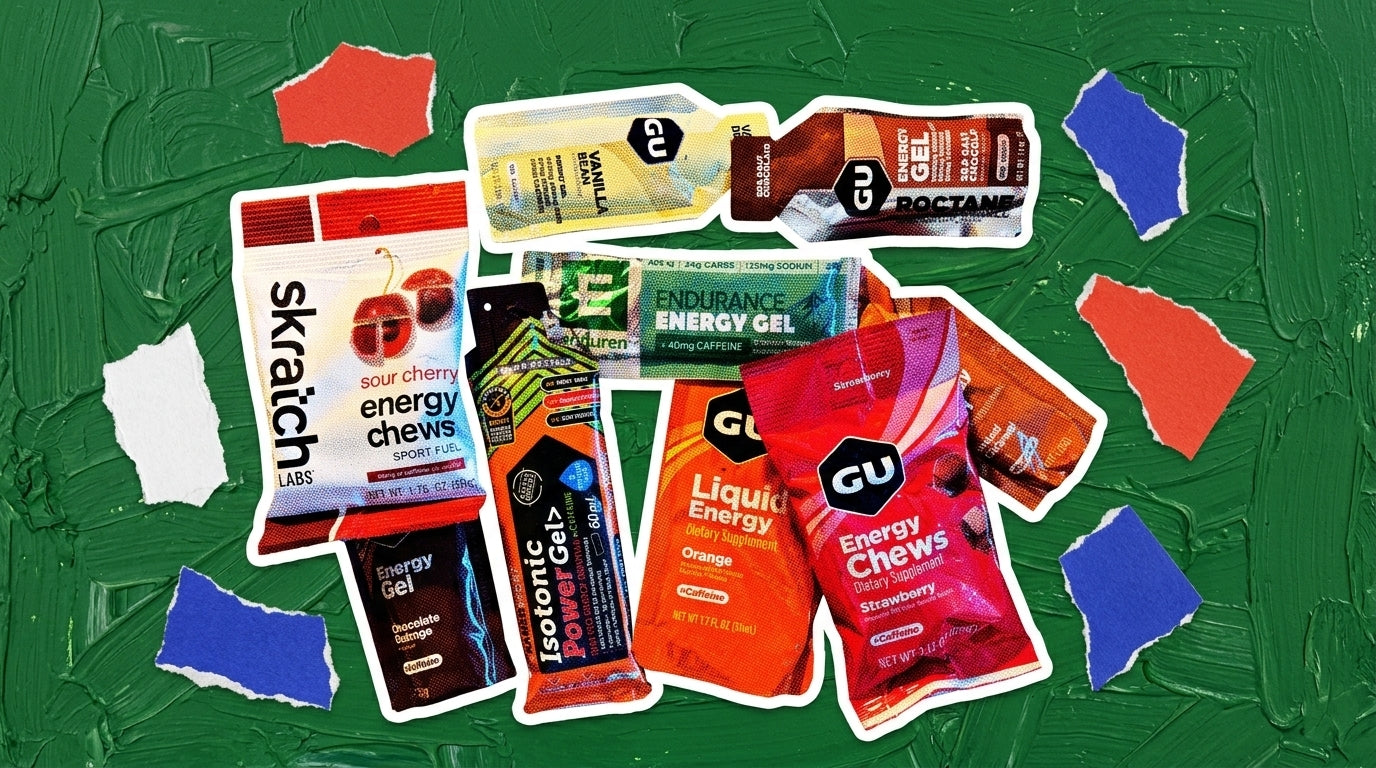
For a 70kg runner, that's roughly 200-400mg across a race, which is a lot more than a single gel or chew provides. Most caffeinated endurance products are dosed at 20-40mg per serving, so they're designed to be used a few times through a long effort, not once.
Why timing matters more than people think
Caffeine takes 15-20 minutes to reach effective levels in your system. Taking one when you're already flagging at kilometre 38 is too late to help you at kilometre 38. If you know a tough climb or a rough patch is coming, that's the point to take it, not the point you're already in it.
Why more isn't better
Tolerance builds quickly. If you take caffeine early and often through a long session, the effect diminishes as the race goes on, which is exactly when most runners want it most. The general guidance is to hold caffeinated options back for the second half of a longer race, when the boost is more likely to still be doing something.
There's also a ceiling. Past a certain point, more caffeine doesn't add more benefit, it just adds more risk of side effects. Racing heart, jitteriness, and gut discomfort are the common ones, and none of them help you finish faster.
Individual response varies a lot
Some people tolerate caffeine well during exercise and barely notice it beyond the mental lift. Others get a racing heart, feel jittery, or find it upsets a gut that's already under enough pressure from the effort itself. Regular caffeine drinkers can also have a different response to it during exercise than occasional drinkers do.
None of this is something to work out on race day. Test caffeinated products on a training run first, ideally one that's long enough to reflect actual race conditions. If it doesn't sit well, you want to know that at home, not at kilometre 30.
A practical approach
A reasonable starting point for most runners: use caffeine-free options early in a race or long training effort, and hold caffeinated products for the back half, spacing them out rather than taking them back to back. Check labels, since caffeine content varies a lot between products and isn't always obvious from the flavour or branding.
This isn't a rule that applies to everyone equally. If you're sensitive to caffeine, or you already get enough of it earlier in the day, less is probably more. If you're used to a coffee or two most mornings, you likely have a reasonable baseline tolerance to build from.
The bottom line
Caffeine can help, but it's a tool with a dose and a timing window, not a blanket boost you get more of by taking more. Know roughly how much is in what you're using, use it later rather than earlier, and test your own tolerance before it matters.
How much caffeine is in a typical energy gel?
Most caffeinated gels and chews sit in the 20-40mg range per serving. That's roughly a quarter to a third of a strong coffee. Always check the specific product, as it varies.
When should I take a caffeinated gel during a race?
Caffeine takes 15-20 minutes to take effect, so time it ahead of when you expect to need the lift, not in the middle of already struggling. Many runners save caffeinated options for the second half of a race.
Can I build a tolerance to caffeine during a single race?
Yes. Taking caffeine repeatedly and early through a long effort reduces its effect over time. Spacing out caffeinated products, and holding some back for later, tends to work better than front-loading them.
Is caffeine safe to use during exercise?
For most healthy adults, moderate caffeine intake during exercise is generally well tolerated, but individual response varies. Some people experience a racing heart, jitteriness, or gut discomfort. If you have any underlying health conditions or concerns, check with a medical professional before adding caffeine to your race nutrition.
Should I test caffeinated products before race day?
Yes, always. Test any caffeinated gel, chew, or drink on a training run first, ideally one that's long enough to mirror race conditions. Nothing new on race day applies to caffeine as much as anything else.


Why Your Gut Quits Before Your Legs Do (And How to Fix It)
Muscle Cramps When Running: Causes and What Helps