



TL;DR
PUFfeR 2026 is on 22 August -- 65km from Cape Point to Green Point with the best community in SA trail running. Fuel First is the official nutrition partner. Pack a mix of fast fuel, real food, and electrolytes, use the aid stations properly, and eat before you're hungry. Distance-specific fuelling guides coming in the weeks ahead.
Cape Point to Green Point. 65 kilometres. Enough climbing to make you question your life choices, enough fynbos to make you forgive them, and aid stations with an energy that is genuinely hard to explain until you've been in one at kilometre 48 eating a potato and crying a little.
PUFfeR is not just a race. It is an occasion. The kind where strangers become your most enthusiastic supporters because they are also suffering and misery, it turns out, loves company.
Fuel First is the official nutrition partner for PUFfeR 2026. We'll be there on 22 August. Here's what you need to know.
Three distances. One vibe.
PUFHie at 21km for people who want the experience without committing to the full personality shift. PUFfeR at 65km for people who said "how hard can it be" at some point during sign-up. TUFfeR at 130km for people we respect enormously and will not pretend to understand.
The route runs along the Cape Peninsula from Cape Point to Green Point. It is spectacular in the way that things are spectacular when you are too tired to be properly impressed but you know, somewhere in the back of your brain, that you'll be describing this view to people for years.
The community is the thing nobody warns you about. You'll start the race with a plan. By kilometre 30 you'll be running with three strangers, learning more about someone's life than their therapist knows, and collectively deciding that actually this is fine. That is PUFfeR.

What to put in your vest
A race like this rewards people who packed well and punishes people who winged it. Not dramatically -- nobody is going to fall over from a bad nutrition choice in the first hour. But by kilometre 50 the difference between a runner who fuelled consistently and one who didn't is very visible. One of them is moving. The other one is having a long conversation with a volunteer about whether they should continue.
The principle is simple: eat before you're hungry, drink before you're thirsty, and start both earlier than feels necessary. Your body takes 20 to 30 minutes to process what you've put in, which means by the time you feel like you need fuel, you're already running on fumes.
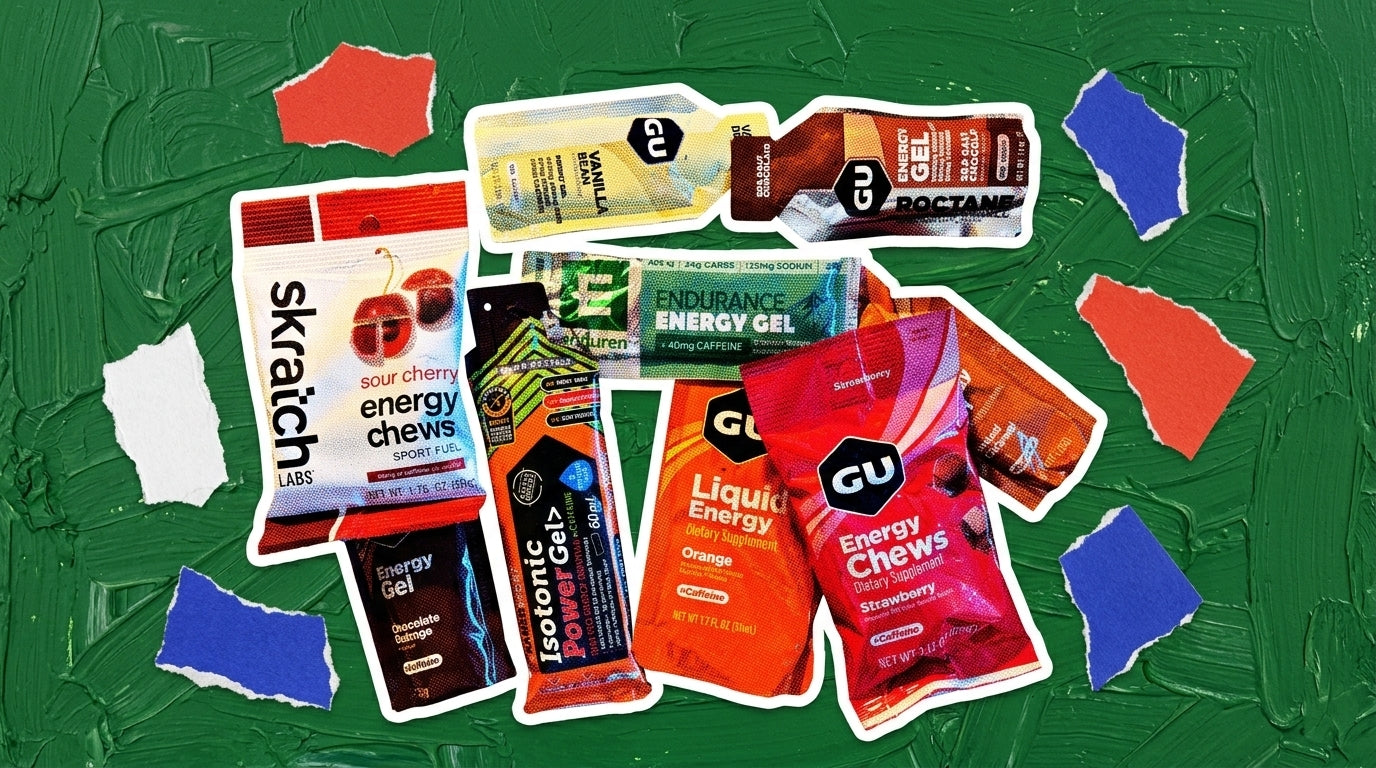
For the PUFfeR distance you want a mix of fast fuel for during the effort and something more substantial for the longer stretches between aid stations. A combination of energy gels, hydration, electrolytes, chews and real food bars covers most of what you need. Variety matters on a 9-hour effort -- your gut gets bored of the same thing and your brain gets bored faster.
Electrolytes are non-negotiable. August on the Peninsula can be cold, warm, windy, or all three in the same hour. Either way you're sweating for the better part of a day and salt capsules or a solid electrolyte tab keeps cramps at bay and helps your gut actually absorb what you're giving it.
If you want everything sorted in one place before race day, the Race Day Fuelling Pack is built for exactly this kind of effort.

The aid station economy
PUFfeR aid stations are genuinely excellent. The volunteers are committed in a way that feels personal. There will be food. There will be people who are inexplicably cheerful given what time it is and how far everyone has run.
Eat the potato. It is not a suggestion.
The aid stations are a resource, not a rescue. Use them to top up, not to recover. Get in, eat something real, refill your bottles, say thank you to the volunteer who has been standing there since before sunrise, and get moving again.
What's coming from Fuel First before race day
Between now and 22 August we'll be publishing and sharing fuelling tips, advice and how to get out of that Vlakkeberg rut. We might even show up as some training runs.
We'll also be at the race. Come find us. We'll have product, we'll have answers, and we'll remind you to eat more than you think you need.
Which is really just the one piece of advice, on a loop, until August.
Frequently Asked Questions
What distance should I enter at PUFfeR? ▼
PUFHie at 21km is a great entry point if it's your first trail ultra or you want the experience without the full commitment. PUFfeR at 65km is the classic -- the one most people mean when they say they're doing PUFfeR. TUFfeR at 130km is for experienced ultrarunners who know exactly what they're signing up for and have made peace with it.
When is PUFfeR 2026? ▼
PUFfeR 2026 takes place on 22 August 2026. The race runs point-to-point from Cape Point to Green Point along the Cape Peninsula.
What should I eat during a 65km ultra? ▼
A mix of fast carbohydrates, real food bars, and consistent electrolytes throughout. The key is starting early -- aim for 45 to 60 grams of carbohydrate per hour from the first hour, not just when things start to feel hard. Your body takes 20 to 30 minutes to process what you've given it, so by the time you feel empty, you're already behind.
What should I eat at PUFfeR aid stations? ▼
Whatever is on the table. Real food at aid stations -- potatoes, bananas, soup if conditions call for it -- gives your gut a break from fast fuel and your brain a break from the monotony. Refill your bottles, eat something solid, thank the volunteer who has been standing there since before sunrise, and keep moving. Aid stations are for topping up, not recovering.
How do I avoid bonking on a long ultra? ▼
Eat before you're hungry. Set a timer if you need to and fuel on schedule from the start -- not just when things get hard. Pair your carbohydrates with consistent electrolytes, especially in variable conditi

I Became the Warm Light Guy (A Head Torch Story) 🦇
How to Recover After a Race: Endurance Nutrition Guide | Fuel First