


TL;DR
Bonking isn't a fitness problem - it's a fuelling problem. Your glycogen runs out at around 60–90 minutes of race effort. The fix: start fuelling at 45 minutes, repeat every 45 minutes, sip water throughout. Practice it in training so your gut is ready on race day.
The bonk. The wall. The moment your legs turn to wet, sloppy, mushy concrete and your brain starts suggesting that sitting down on a rock and reassessing your life choices is actually a very reasonable idea. "What am I actually doing over here?" said the runner to themself.
If you've experienced it, you know exactly what we're talking about. If you haven't yet, you probably will - but that's par for the course and all part of the training plan, right?
What actually causes it
Bonking happens when your body runs out of stored glycogen, which is the carbohydrate-based fuel your muscles rely on during moderate-to-hard effort. You've got roughly 60 to 90 minutes of it available at race pace. After that, if you haven't been fuelling, your body starts struggling to maintain output, and your performance falls off a cliff.
It is rarely a fitness problem. The people hitting the wall at kilometre 35 aren't under-trained. They're under-fuelled. There's a difference, and it matters.
Bonking feels like your legs gave up on you. What actually happened is your fuelling strategy gave up first.
The classic mistake
Most athletes who bonk do so for one of two reasons. Either they didn't fuel at all, figuring they'd be fine on whatever they had at breakfast. Or they started fuelling too late, waiting until they felt flat before reaching for a gel.
By the time you feel the energy drop, your glycogen stores are already critically low. A gel at that point takes 10 to 15 minutes to absorb and kick in. That's a long time to be shuffling along, wondering why you signed up for this.
The fix is boring but it works
Start fuelling early, before you need it, and repeat consistently throughout the race. For most trail runners that means:
• First gel at around the 45-minute mark, regardless of how good you feel
• One gel every 45 minutes after that
• Sips of water every 15 to 20 minutes to aid absorption
• Electrolytes alongside, especially in heat or on longer efforts
That's it. No secret. No complicated system. Just consistent topping up before the tank runs dry.
Train your fuelling, not just your legs
One thing that catches a lot of runners out is practising their fuelling strategy only on race day. Your gut, like your legs, needs training. If you never take gels during hard efforts, your stomach won't be used to processing them when the pressure is on.
Use your long training runs to rehearse. Same gels, same timing, same hydration strategy. By race day it should feel automatic.
The goal isn't to survive the wall. It's to never hit it.
The bonk is avoidable. You just have to decide to do something about it before kilometre 30, not during.
Frequently Asked Questions
What does bonking actually feel like? ▼
Your legs go heavy, your brain gets foggy, your pace drops, and suddenly sitting on a rock seems like a perfectly reasonable life decision. It happens when your glycogen stores run out — usually around the 60–90 minute mark at race effort. Once you've bonked properly, you'll recognise it immediately. And you'll never skip your gels again.
Why do well-trained runners still bonk? ▼
Because fitness doesn't extend your glycogen stores — fuelling does. The runners hitting the wall at kilometre 35 usually aren't under-trained. They either didn't fuel at all, or they waited until they felt flat before reaching for a gel. By then it's too late. A gel takes 10–15 minutes to kick in. That's a long time to be shuffling.
What's the simplest fuelling strategy to avoid bonking? ▼
First gel at 45 minutes, one every 45 minutes after that, water every 15–20 minutes, electrolytes alongside on hot days or long efforts. That's it. No complicated system. Just consistent topping up before the tank runs dry.
Can I recover from a bonk mid-race? ▼
Partially. Taking a gel or two and slowing down gives your body a chance to partially refuel, but you won't get back to where you were. Recovery takes time you don't have in a race. The goal isn't to survive the wall — it's to never hit it. Prevention is the only strategy that actually works.
Should I practise fuelling in training? ▼
Yes — your gut needs training as much as your legs do. If the first time you take a gel at race pace is on race day, your stomach may not cooperate. Use the same gels, same timing, same hydration on your long training runs. By race day it should feel completely automatic.


What to Eat Before a Long Run: Trail Running Nutrition Guide
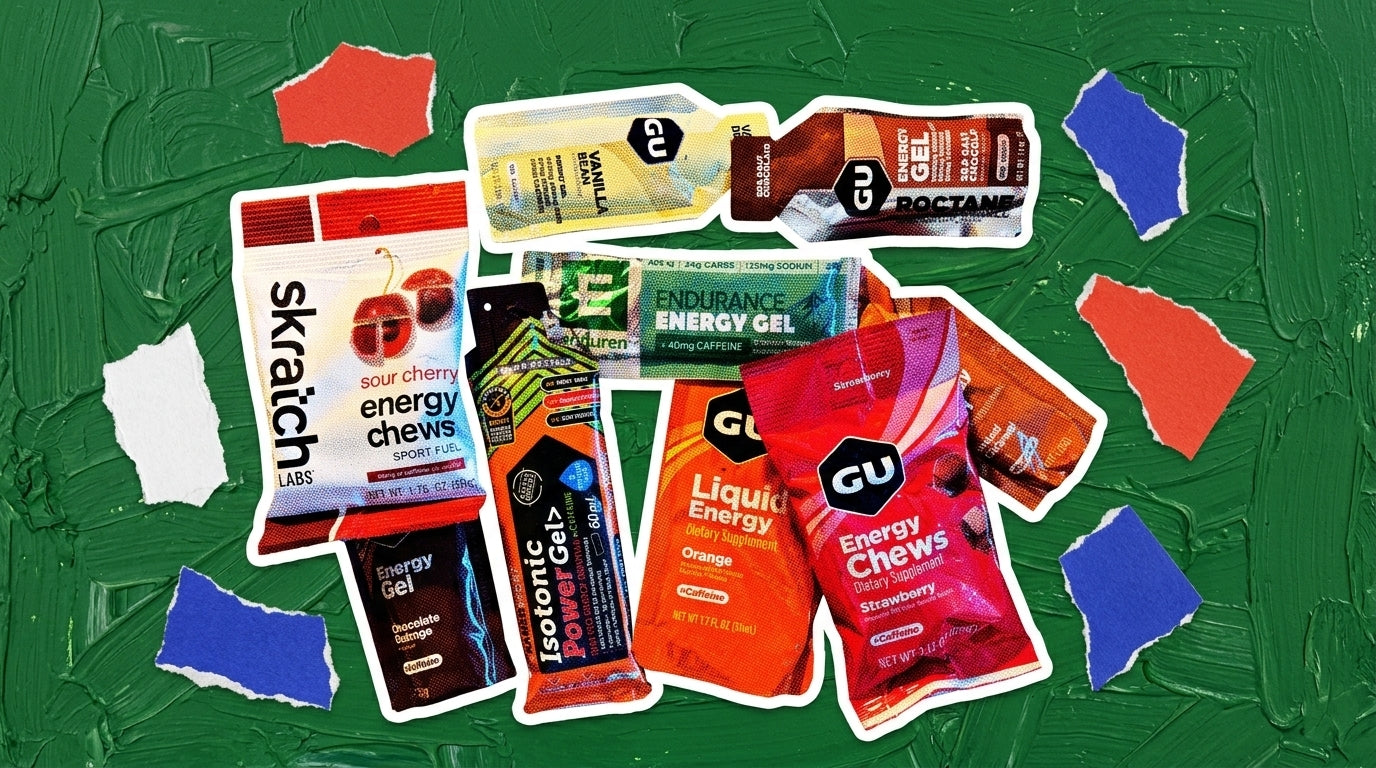
What Is a GU Energy Gel (No, It's Not Baby Food)?